



Shielding Your Data in the AI Era
April 21, 2026
When was the last time you received a notice regarding a data breach? If you are like me, it was probably within the last six months.
As Artificial Intelligence continues to advance, cyberattacks are rising right along with it, and vigilance is more important than ever. Malicious actors are using sophisticated attacks to steal personal information and sell it to the highest bidder. If you have any online presence, it is likely that your data is already floating around on the dark web.
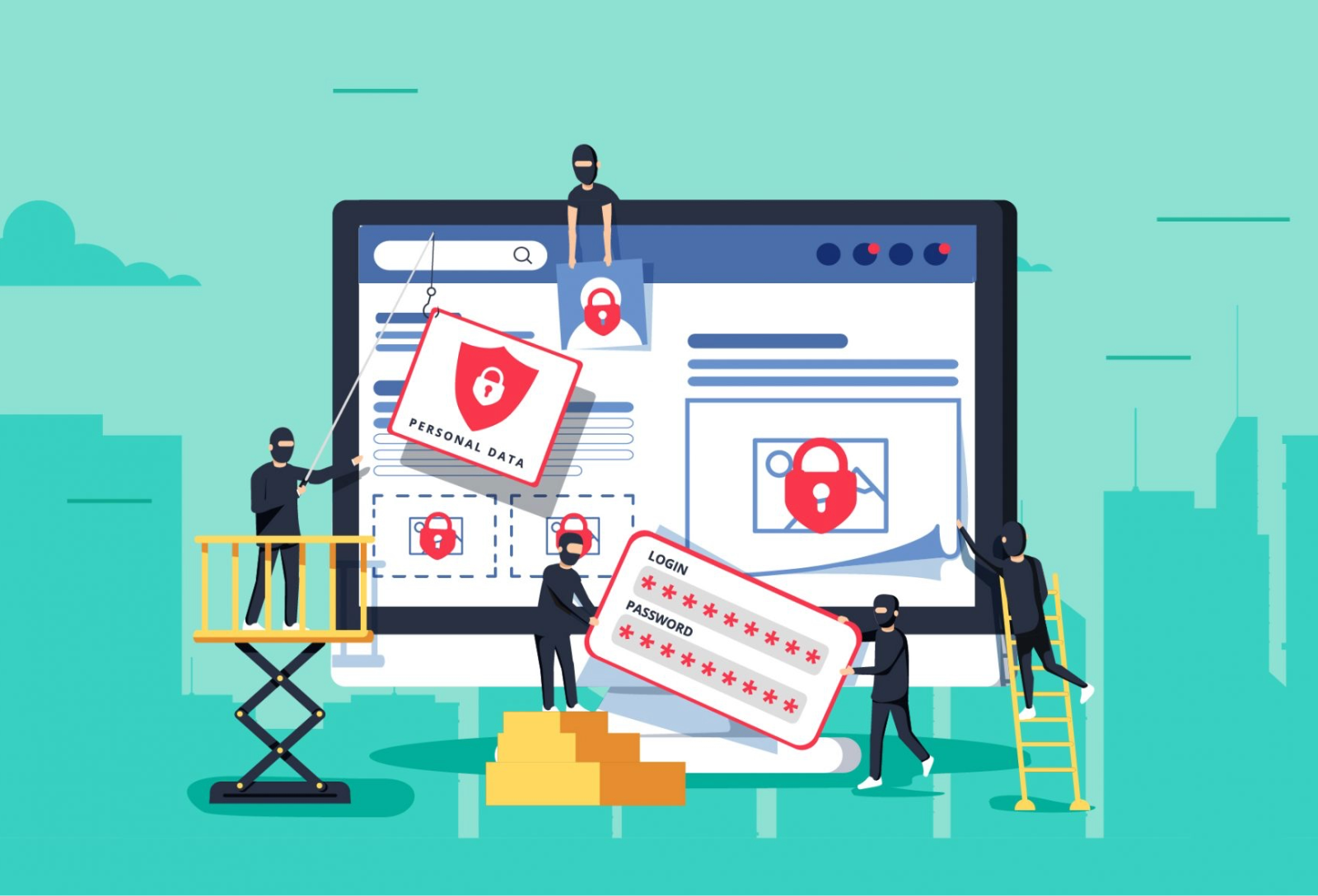
The good news is that protecting yourself is not complicated or expensive. With just
a few steps, you can help strengthen the security of your personal information. And
the best part: every one of these steps is totally free.
Why This Matters:
Your personal data is directly tied to your financial well-being and professional reputation. From fraudulent credit activity to compromised job applications, weak cybersecurity can impact everything from your bank account to your ability to secure internships and full-time roles. Building strong digital security habits now is a key part of financial literacy and long-term career readiness.
Check for Breaches
The easiest way to see if your email address has been involved in a known data breach is by visiting Have I Been Pwned. Enter your email, and if it appears in any breaches, you will see a list detailing when the incident occurred and what type of data was compromised.
It is important to remember that a clean result does not necessarily mean your information has never been compromised. Not every breach is publicly disclosed. Even if your email shows no matches, it is still a good idea to continue with the following steps to protect your personal information.
Monitor Your Credit Report
Did you know that you can request one free copy of your credit report each year from
each of the three major consumer reporting companies? Regularly monitoring your credit
report is essential to protect yourself against fraudulent activity and inaccurate
data.
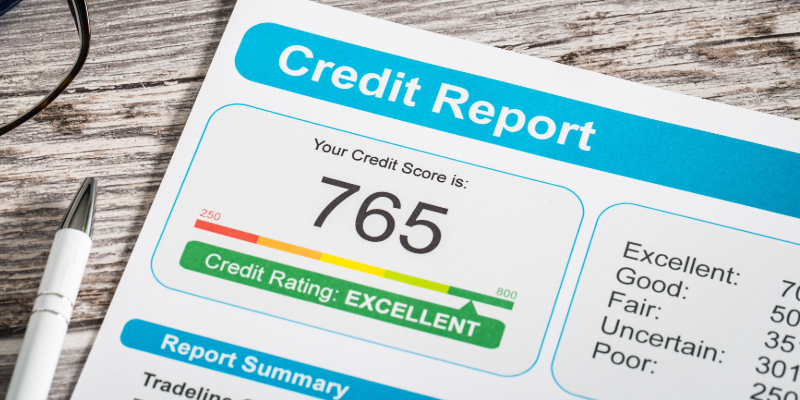
Request your free annual credit report
Financial Literacy Tip:
Your credit report plays a major role in your financial future. It can impact your ability to rent an apartment, secure a loan, or even qualify for certain jobs. Monitoring it regularly helps you catch issues early and maintain control over your financial identity.
Credit Freezes
If you do not plan to apply for credit, loans, or other services that require third parties to run a credit report for you, you can freeze your credit reports. This will prevent attackers from obtaining credit histories and opening new lines of credit. Credit freezes can easily be lifted temporarily to allow legitimate, authorized activity.
You can freeze and manage your freeze at all four major credit bureaus:
Security Freezes
In addition to freezing your credit, you can place security freezes with several consumer reporting agencies that collect information used for banking, utilities, insurance, and identity verification. Freezing these reports helps prevent malicious actors from opening accounts or services in your name.
Financial Literacy Tip:
Many employers, landlords, and insurance providers review consumer reports as part of their decision-making process. Ensuring your information is accurate and protected helps prevent issues that could delay hiring, onboarding, or housing opportunities.
Lexis Nexis
Lexis Nexis Consumer Disclosure reports are often used by insurance companies, potential employers, financial institutions, and/or property managers to determine risk or verify identity. These reports contain information on you, including but not limited to:
- Current and former addresses
- Real estate transactions and ownership data
- Lien, judgment, and bankruptcy records
- C.L.U.E. details (Comprehensive Loss Underwriting Exchange), including a 7-year history of automobile or property insurance claims used to price policies
Because this information directly affects things like your insurance premiums, it is important to verify the accuracy of this data.
ChexSystems
ChexSystems is used by banks and credit unions to screen new customers when they attempt to open new checking or savings accounts. A security freeze will help prevent malicious actors from opening fraudulent bank accounts in your name.
National Consumer Telecommunications and Utilities Exchange (NCTUE)
The NCTUE collects information on payment history and unpaid closed accounts for electricity, gas, internet, pay-TV, and phone services.
Is Your Personal Information on Google?
Google offers a helpful tool that allows you to review and request the removal of your personal information in Google search results. This may include your home address, phone number, email address, or other sensitive details.
After you complete the steps in the link below, you will begin to receive email notifications from Google each time a new search result is found. You will have the ability to review the information and submit a deletion request directly through the tool.
Follow the steps outlined by google
Career Readiness Tip:
Recruiters and employers often search candidates online. Managing your digital footprint is not just about privacy, it is about presenting a professional and secure online presence.
Deepfakes and Safe Words
Deepfakes are artificial intelligence-generated photos, videos, or audio clips that make it appear as though someone is saying or doing something they never did. This technology has been used to create fake celebrity videos, alter political speeches, and has been used by scammers to impersonate a target’s friends, family, or coworkers.
AI voice cloning is no joke. With just a few seconds of audio or video, it can create a convincing replica of someone’s voice.
You can protect yourself by creating a “Safe Word” to use with your loved ones. A
safe word is a pre-agreed-upon word or phrase that only trusted people know. The safe
word can help you confirm whether a call or message is genuine or a scam.
Want to see if you can tell the difference between AI and a real voice?
Financial Literacy Tip:
Scams powered by AI are becoming more convincing and often target money directly, whether through fake emergencies, phishing attempts, or impersonation. Knowing how to verify identities can help you avoid costly mistakes.
#BeCybersmart
Protecting your personal information can feel overwhelming when it seems like we are faced with a new data breach every day. By taking the steps outlined above, you can #BeCybersmart and take control of your data to prevent it from falling into the wrong hands.
Cybersecurity is not just an IT issue, it is a life skill. Protecting your data protects your finances, your identity, and your future career opportunities. The habits you build now can have a lasting impact long after graduation.
For more security awareness tips and updates, follow LSU Information Technology Services on Facebook and Instagram @lsu_ITS.
More Financial Literacy Resources
The Career Center's Financial Literacy Guide is a great starting point.
DOWNLOAD the financial literacy guide
You can also check out the full Student Financial Management Center website for more resources to help strengthen your financial skills,
STUDENT FINANCIAL MANAGEMENT CENTER
About the LSU Career Center
Our team is committed to ensuring every student has ample opportunities to gain experience, grow their network, and communicate their aptitude for a chosen career long before graduation. We believe LSU students are unparalleled in their potential to step into leadership, solve problems, and elevate the workforce for the benefit of all.